
Background
The AIAA Historic Aerospace Sites program recognizes geographical locations, with or without buildings or facilities, associated with significant aerospace achievements, programs or individuals. The purpose of the program is to inform AIAA members and the public of the significance of the site through a dedication ceremony, a physical brochure, online documentation, and a standardized bronze plaque.
To be considered for selection, a site should meet one or more of the following criteria:
- Demonstrate significance in its national and/or local aerospace-related history, architecture, engineering, or culture
- Be associated with events that contributed to the broad patterns of aerospace history
- Are associated with the lives of persons who have contributed to the development of aerospace
- Have yielded information important in aerospace history
Learn more by visiting the AIAA History Committee Website.

 Stölln, Germany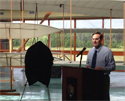
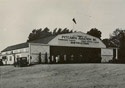
 Cincinnati, OH, USA

 Hawthorne, CA, USA
 Atlanta, GA, USA

 Getafe, Spain


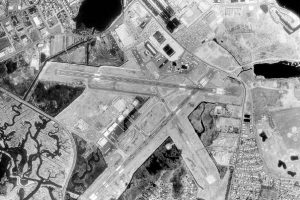 Bridgeport, CT, USA
 Eglin AFB, FL, USA
 Mountain View, California

 Atlantic City, NJ, USA
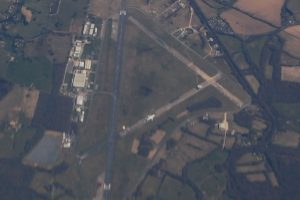 Dunsfold, United Kingdom
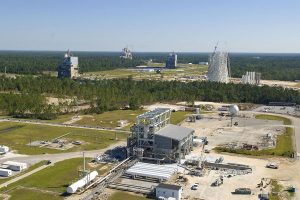 This rocket propulsion test complex was created to flight- certify all first and second stages of the Apollo Saturn V rocket. The first test-firing occurred on April 23, 1966. Subsequent to the Apollo Program, these test stands were modified to support the testing requirements of the Space Shuttle Main Engine. Every astronaut who traveled to the moon aboard Saturn V Rockets and into space aboard the Space Shuttle, did so on rocket stages and engines that were first proven flight-worthy on these test stands.
 Woomera, Australia