Historic Aerospace Sites

Background

The AIAA Historic Aerospace Sites program recognizes geographical locations, with or without buildings or facilities, associated with significant aerospace achievements, programs or individuals. The purpose of the program is to inform AIAA members and the public of the significance of the site through a dedication ceremony, a physical brochure, online documentation, and a standardized bronze plaque.

To be considered for selection, a site should meet one or more of the following criteria:

  • Demonstrate significance in its national and/or local aerospace-related history, architecture, engineering, or culture
  • Be associated with events that contributed to the broad patterns of aerospace history
  • Are associated with the lives of persons who have contributed to the development of aerospace
  • Have yielded information important in aerospace history

Learn more by visiting the AIAA History Committee Website.
Hammondsport

Hammondsport Launch 1913 | Credit: Photographer not specified; Wikipedia; Public Domain

Hammondsport, New York, USA
Year Selected 2024
Dedication 28 June 2025

Hammondsport is the proud hometown of Glenn H. Curtiss, a legendary figure in early flight and the Father of Naval Aviation. It was here, between 1904 and 1915, that Curtiss collaborated with other aviation pioneers, including Alexander Graham Bell, to foster significant advancements in the field. In 1908, John Newton Williams achieved the first U.S. manned vertical lift with a Curtiss engine. The Curtiss School of Aviation, founded in 1910, witnessed Blanche Stuart Scott’s historic flight as the first woman to solo an aircraft in the U.S. In 1920, the Aerial Service Corporation was established, later known as Mercury Aircraft Inc., developing the pioneering T-2 Mercury Chic aircraft and contributing to the nation’s efforts in World War II by manufacturing P-40 tail sections for Curtiss-Wright in Buffalo. Their legacy continues today as Mercury Integrated Manufacturing.

Image: Hammondsport Launch 1913

Gollenberg Hill

Otto Lilienthal performing one of his gliding experiments, 1895 | Credit: US Library of Congress; Wikipedia; Public DomainStölln, Germany
Year Selected 2024
Dedication 24 May 2025

Otto Lilienthal (* 23. Mai 1848 in Anklam) flog hier mit selbstkonstruierten Gleitflugzeugen erfolgreich über Distanzen von bis zu 250 Metern, bevor cr am 9. August 1896 tödlich abstürzte. Wilbur Wright schrieb 15 Jahre später: “… er war ohne Frage der größte der Vorläufer, und die Welt schuldet ihm viel.”

Otto Lilienthal (* Mai 23, 1848 in Anklam) had successfully flown here over distances of up to 250 meters in mono- and bi-plane gliders of his own design before a fatal crash on August 9, 1896. Wilbur Wright wrote 15 years later: “… he was without question the greatest of the precursors, and the world owes to him a great de

Image: Otto Lilienthal performing one of his gliding experiments, 1895

Kitty Hawk, NC

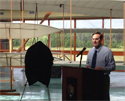
Tony Springer dedicates Kitty Hawk, NC.

Kitty Hawk, North Carolina
Year Selected 2013
Dedication 19 August 2013

On 19 August, the AIAA Historic Aerospace Sites Committee dedicated Kitty Hawk, NC, as a historic aerospace site, following a decades-long negotiation with the U.S Park Service. A historic marker was unveiled at a 0930 hrs ceremony as part of the First Flight Society’s National Aviation Day at Kitty Hawk. At this site on 17 December 1903, Orville and Wilbur Wright achieved the first sustained, controlled heavier-than-air flight of an aircraft, opening a new era of transportation throughout the world. Their pioneering spirit continues to inspire succeeding generations to dream, aspire, innovate, and create without limits. A full-scale replica of the Wright Flyer made by the AIAA National Capital Section is on display at the pavilion at the Wright Brothers National Monument, which is part of the park. Park information can be found at www.nps.gov/wrbr/index.htm.

Image: Tony Springer dedicates Kitty Hawk, NC.

Pitcairn Field

Pitcairn Field, Willow Grove, PA

Willow Grove, Pennsylvania
Year Selected 2013
Dedication 1 June 2013

The AIAA Historic Aerospace Sites Committee dedicated Pitcairn Field, in Willow Grove, PA, as an AIAA Historic Aerospace site, during an 11:00 a.m. EDT ceremony on Saturday, 1 June. On this site, on 18 December 1928, Arthur Rawson, followed by Harold F. Pitcairn, flew a Cierva C.8W Autogiro. This was the first successful rotary wing aircraft to fly in America. Pitcairn Field – Willow Grove became the center of American Autogiro development and manufacture. Pitcairn and his associates were awarded the 1930 Collier Trophy. The development of the helicopter in America was made possible in part by the rotary-wing patents held by Pitcairn.

Image: On this site, on 18 December 1928, Arthur Rawson, followed by Harold F. Pitcairn, flew a Cierva C.8W Autogiro.

Lunken Field

Lunken Field WikiCincinnati, OH, USA
Year Selected 2012
Dedication September 2013

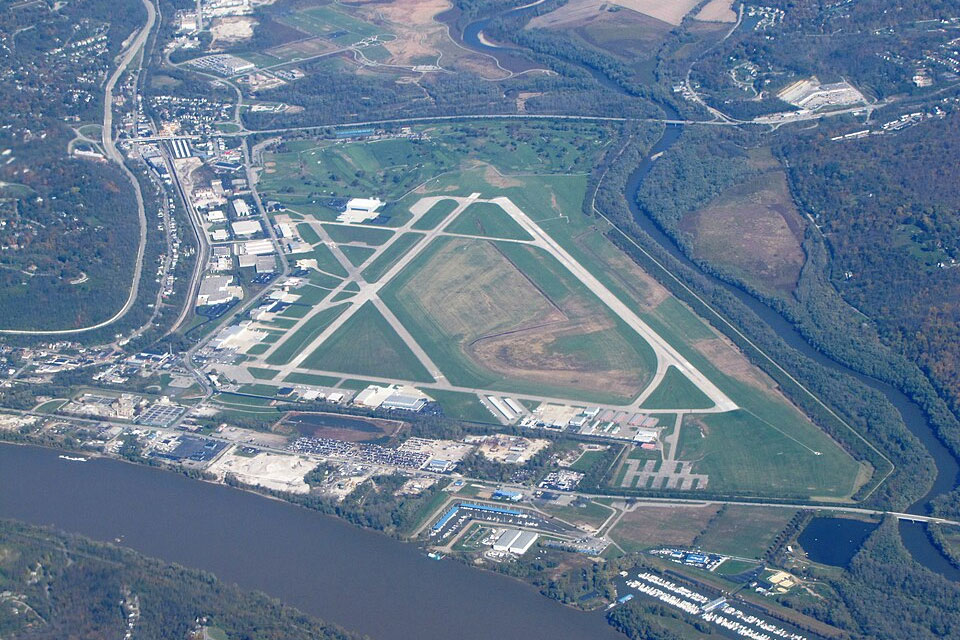
Beginning in the 1920s with Dixie Davis’ barnstorming and flying lessons, this site was a center of civil aviation activities. Several aircraft companies started here, including the Lunken Family’s Aeronautical Corporation of America (Aeronca) and the Metal Aircraft Corporation. The Embry Riddle Company delivered passengers and mail here, and it was the site of the first government-approved U.S. flight school. Embry Riddle formed the Aviation Company in 1928 here, which became American Airways in 1930, the predecessor of American Airlines.

Image: Cincinnati Municipal Airport – Lunken Field | Credit: redlegsfan21; Wikipedia; CC BY-SA 2.0

Pearson Airfield

The Gelatine, piloted by Lincoln J. Beachey, on the morning of 19 September 1905; Pearson Airfield, Vancouver, Washington

Vancouver, Washington
Year Selected 2012
Dedication 8 September 2012

8 September 2012: The AIAA Historic Aerospace Sites Committee designated Pearson Airfield, in Vancouver, Washington, as a Historic Site. Pearson Field is one of the oldest operating airports in the United States and served as a major military airfield in the interwar years. In 1905, a dirigible originating from the nearby Lewis and Clark Centennial Exposition landed at Fort Vancouver Polo grounds, initiating an enduring and illustrious connection to aeronautics and record-breaking endurance flights. Starting in 1923, the airport played a key role in the development of U.S. Air Power and general aviation in the Pacific Northwest. The dedication ceremony occurred on Saturday, 8 September 2012. (Image: Gelantine was a privately owned, corporately sponsored dirigible, built by Thomas Scott Baldwin’s company Baldwin’s Airships, Balloons, Aeroplanes of New York City. On the morning of September 19, 1905, the Gelatine, piloted by Lincoln J. Beachey, ascended from the grounds of the Lewis and Clark Centennial Exposition on the shores of Guild’s Lake in Portland, Oregon, landing 40 minutes later at the Vancouver Barracks (Pearson Airfield today) in Vancouver, Washington. The flight is considered the first aerial crossing of the Columbia River and the first account of controlled powered flight in Washington. Credit: Pearson Air Museum).

Image: The Gelatine, piloted by Lincoln J. Beachey, on the morning of 19 September 1905.

Bell Aircraft Manufacturing Plant

Early photo of the Bell Aircraft Manufacturing Plant, in Wheatfield, New York.

Wheatfield, New York
Year Selected 2012
Dedication 14 August 2012

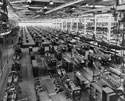
On 14 October 2012, The AIAA Historic Aerospace Sites Committee designated the Bell Aircraft Manufacturing Plant, in Wheatfield, New York, as a Historic Site. The ceremony took place at the Calspan Corporation facility. The Bell Aircraft Corporation was an aircraft manufacturer that designed and built several types of fighter aircraft during World War II, but is most famous for the Bell XS-1, the first aircraft to break the sound barrier. It is recognized for the development and production of America’s first jet fighter and many other successful X series of aircraft. The Bell 47 helicopter and military helicopters changed the world of vertical flight. Critical contributions to the space program include the rocket engine that lifted Apollo astronauts from the lunar surface.

Image: Early photo of the Bell Aircraft Manufacturing Plant, in Wheatfield, New York.

Space Park (TRW/Northrop Grumman)

Spacepark WikiHawthorne, CA, USA
Year Selected 2011
Dedication December 2011

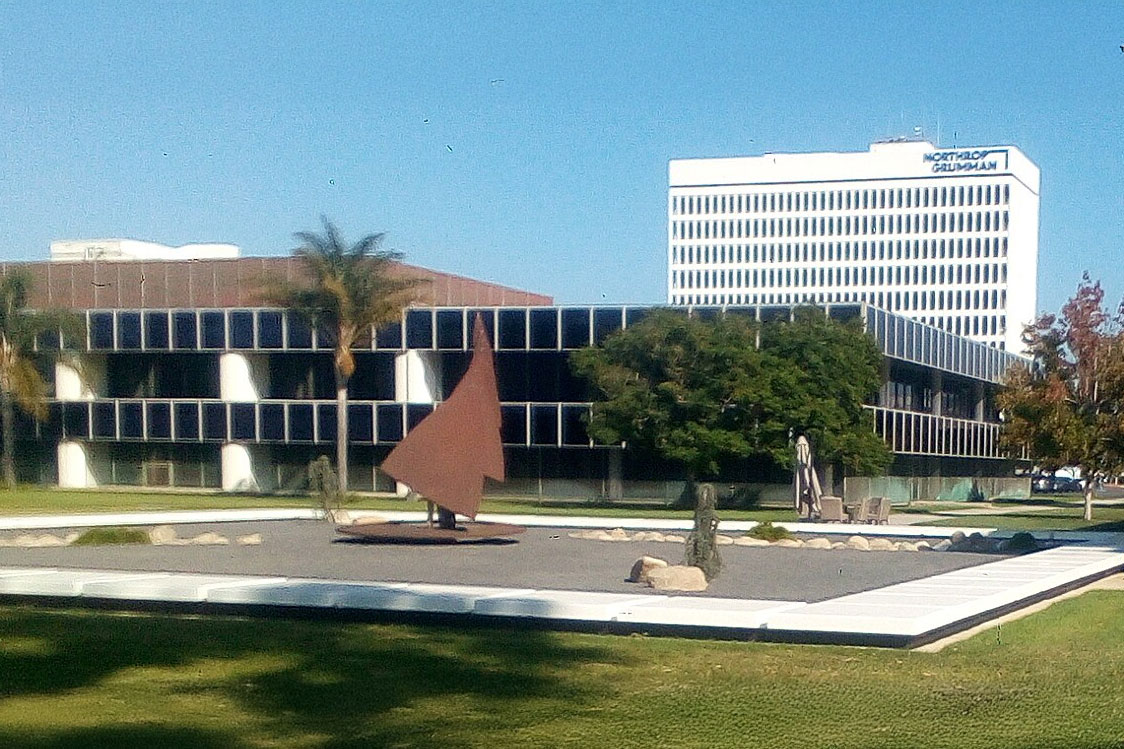
Beginning in 1961, at what was then the Ramo-Wooldridge Corporation, the dedicated employees of Space Park designed and built more than 100 of the world’s most technically challenging satellites, rocket engines and astronomical observatories. The technologies they developed and continue to develop, led to such breakthroughs as NASA Pioneer 10, the first spacecraft to leave our solar system; the descent engine for the Apollo Lunar Excursion Module; the Defense Department’s Milstar satellite communication network; NASA’s Tracking and Data Relay Satellite System “Switchboard in the Sky” and astronomy and science satellites such as the Chandra X-ray observatory.

Image: Space Park Quad | Credit: Funhistory; Wikipedia; CC0

Delta Airline Headquarters

Delta Airlines Hqtrs Wiki Atlanta, GA, USA
Year Selected 2011
Dedication November 2011

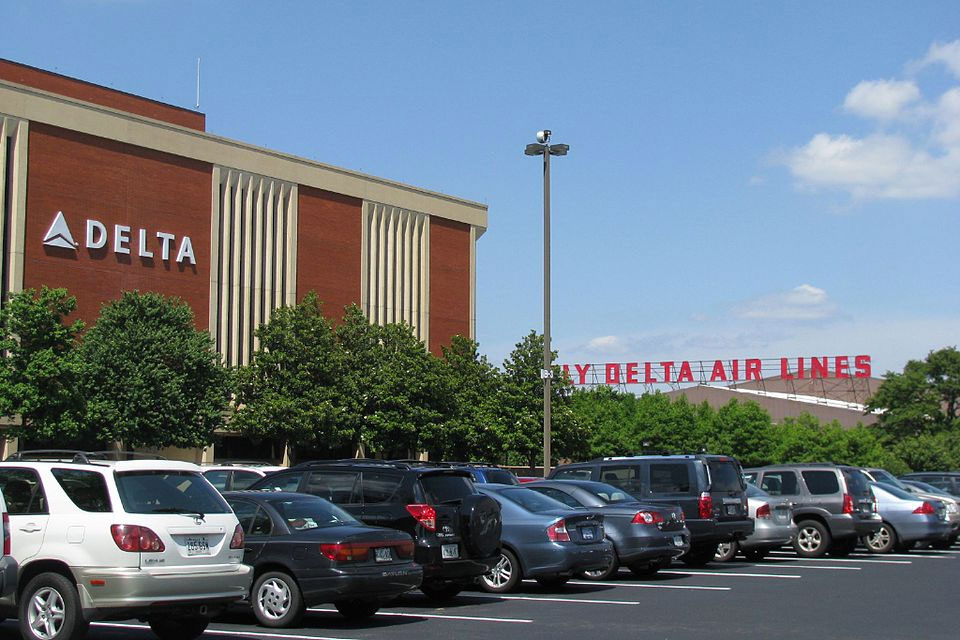
This site commemorates the historic partnership between Delta Air Lines, the City of Atlanta and Hartsfield-Jackson Atlanta International Airport. On March 1, 1941, Delta officially moved its corporate headquarters to Atlanta on leased airport property, constructing offices and Hangar 1, the largest aircraft hangar in the Southeast. In 1947, the complex doubled in size, with Hangar 2 and an executive building, housing the office of Delta founder C.E. Woolman. Today, the original 1940s buildings of Delta’s headquarters are the oldest existing facilities on Atlanta airport property.

Image: Delta Air Lines headquarters in Atlanta, GA | Credit: Bud; Wikipedia; CC BY 2.0

Bremen Airport

Bremen Airport, Bremen Germany

Bremen, Germany
Year Selected 2011
Dedication Bremen 6 October 2011

The AIAA Historic Aerospace Sites Committee designated the Bremen Airport, in Bremen, Germany, as a Historic Aerospace Site. A historic marker was unveiled on 6 October during a 1:00 p.m. ceremony at the airport in the Bremmenhalle, the airport’s exhibition hall, located on the roof of Terminal 3. Bremen Airport was founded in 1909. In 1924, German aviation pioneers Henrich Focke and Georg Wulf founded the Focke-Wulf company on the site. On 26 June 1936, Henrich Focke’s Fw 61, the world’s first fully operational helicopter, made a successful maiden flight at the airport, piloted by Ewald Rohlfs.

Image: Bremen Airport, in Bremen, Germany.

Site of Thaddeus S.C. Lowe’s 1861 Balloon Reconnaissance Demonstration Flight and Aerial Telegraph Transmission

The Civil War balloon Intrepid

National Mall, Washington, DC
Year Selected 2011
Dedication 11 June 2011

The AIAA Historic Aerospace Sites Committee designated the site of Thaddeus S.C. Lowe’s 1861 balloon reconnaissance demonstration flight and aerial telegraph transmission as a Historic Aerospace Site. The site is on the National Mall, in front of the Smithsonian Institution’s National Air and Space Museum. A historic marker was unveiled during the Air and Space Museum’s celebration of Civil War history, which took place Saturday, 11 June on the National Mall. (Pictured: The Civil War balloon Intrepid. Credit: National Air and Space Museum.

Image: The Civil War balloon Intrepid.

Getafe Airbase

Getafe Airbase Spain WikiGetafe, Spain
Year Selected 2008
Dedication May 2011

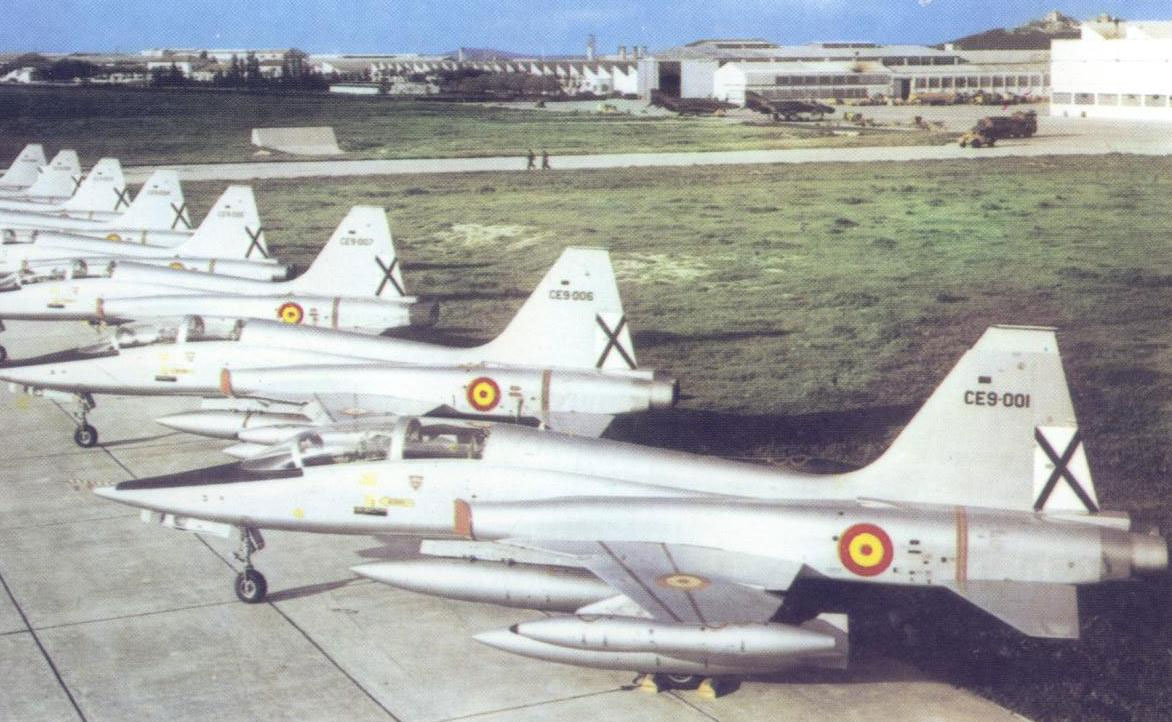
On 17 January 1923, Juan de la Cierva’s C.4 Autogiro made its first successful flight at this site with Lieutenant Alejandro Gómez Spencer at the controls. The Cierva Autogiro was the first practical rotorcraft, and many aspects of its design were critical to the development of helicopters and other vertical lift aircraft. Between 1920 and 1924, Juan de la Cierva tested four prototype Autogiros at Getafe; and after numerous attempts, solved his control problems with flapping blade hinges.

Image: Airplanes on the tarmac at Getafe Airbase, Getafe, Madrid, Spain. | Credit:  Miguel303xm; Wikipedia; CC BY-SA 2.5

Cornell Aeronautical Laboratory (known today as Calspan)

Calspan, in Buffalo, New York.

Buffalo, New York
Year Selected 2010
Dedication 1 December 2010

On Wednesday, 1 December 2010, The AIAA Historic Aerospace Sites Committee designated the Cornell Aeronautical Laboratory (known today as Calspan), in Buffalo, New York, as a Historic Aerospace Site. The facility started as a research facility for the Curtiss-Wright company and was donated to Cornell in 1946. Since then, this facility has touched every aspect of aviation and space research. Every military aircraft and space vehicle developed in the United States from the end of World War II to present day has been tested at this facility.

Image: Calspan, in Buffalo, New York.

Central Yacht Basin in St. Petersburg, Florida

AIAA Region II Director Alan Lowery and St. Petersburg Mayor Bill Foster unveil the plaque.

St. Petersburg, Florida
Year Selected 2010
Dedication 29 October 2010

On Friday, 29 October 2010, The AIAA Historic Aerospace Sites Committee designated the Central Yacht Basin in St. Petersburg, Florida, as a Historic Aerospace Site. The Yacht Basin is the site of the first commercial airline flight in the world, on 1 January 1914. The first passenger was Abraham C. Pheil, a former St. Petersburg mayor, and the pilot was Tony Jannus. The Tony Jannus Distinguished Aviation Society honors achievements in aviation in his name. In the photograph, AIAA Region II Director Alan Lowery and the current St. Petersburg mayor Bill Foster unveil the plaque as members of the Tony Jannus Society and the Florida Aviation Historical Society look on. Randal Allen, the Central Florida section chair, is third from right.

Image: AIAA Region II Director Alan Lowery and St. Petersburg Mayor Bill Foster unveil the plaque.

Tidbinbilla, Honeysuckle Creek and Orroral Valley Tracking Stations

AIAA Immediate Past President Dave Thompson at the Historic Site Ceremony in Australia.

Canberra, Australia
Year Selected 2010
Dedication 25 May 2010

AIAA Immediate Past President Dave Thompson designated the Tidbinbilla, Honeysuckle Creek and Orroral Valley Tracking Stations outside Canberra, Australia, as Historic Aerospace Sites. The three stations were established to support NASA’s Deep Space Network, Manned Space Flight Network and Spacecraft Tracking and Data Acquisition Network. Among other notable achievements, these stations played a key role in supporting the Apollo 11 Moon landing, with the Honeysuckle Creek station providing the first historic pictures of man walking on the Moon on 20July 1969 (21 July 1969, in Australia), as well as voice and telemetry contact with the lunar module. The ceremony was attended by AIAA members, current and former tracking station employees, and the U.S. Ambassador to Australia, who praised Australia’s contributions to the space program.

Image: AIAA Immediate Past President Dave Thompson at the Historic Site Ceremony in Australia.

NASA/North American/Boeing Industrial Site

Plaque unveiling for the Downey Industrial Site. Left to Right: Tom Messmer, Vice President, IRG; George Muellner, former president, AIAA; and Rick Stephens, Senior Vice President, The Boeing Company.

Downey, California
Year Selected 2010
Dedication 21 May 2010

The AIAA Historic Aerospace Sites Committee designated the NASA/North American/Boeing Industrial Site in Downey, California as an AIAA Historic Aerospace Site. Its rich history included the companies EMSCO Aircraft, Security Aircraft, Champion Aircraft, Consolidated Vultee, North American Aviation, Rockwell International, and Boeing North American Rockwell. A few of the many air and spacecrafts developed here include the X-15, the Apollo capsule and the Space Shuttle. Over 80 AIAA members and former employees attended the ceremony, which included former AIAA president George Muellner and Boeing Senior Vice President Rick Stephens.

Image: Plaque unveiling for the Downey Industrial Site. Left to Right: Tom Messmer, Vice President, IRG; George Muellner, former president, AIAA; and Rick Stephens, Senior Vice President, The Boeing Company.

Igor Sikorsky Airport and Vought-Sikorsky Plant

Sikorsky Memorial Airport Aerial View Usgs WikiBridgeport, CT, USA
Year Selected 2009
Dedication September 2013

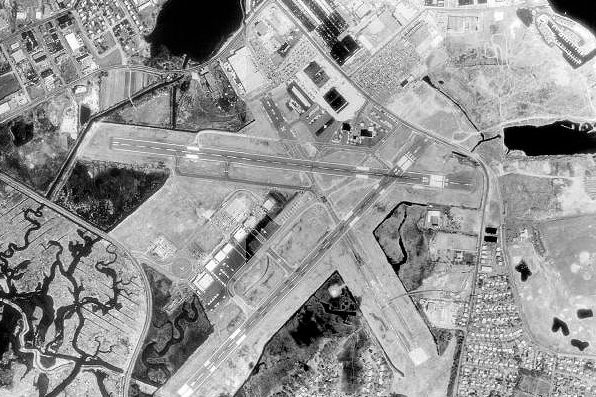
Many important aircraft were developed and tested at this field and the adjacent Vought-Sikorsky aircraft plant, including a fighter, the XF4U, that later became the Corsair. But this site is best known for the work done here from 1939- 1942, with the design, construction, testing and demonstration of the first practical helicopters flown in the United States. Igor Sikorsky and his team pioneered the VS-300 helicopter, featuring the configuration that has since become the convention for most helicopters. Their work placed the helicopter in the public consciousness to the degree that by 1943, the U.S. was experiencing a “helicopter craze,” with literally hundreds of entrepreneurs seeking to imitate them, thereby establishing the U.S. helicopter industry.

Image: Aerial image of Sikorsky Memorial Airport in Bridgeport, Connecticut

Eglin AFB

Eglin Afb Usaf WikiEglin AFB, FL, USA
Year Selected 2009
Dedication 9 September 2022

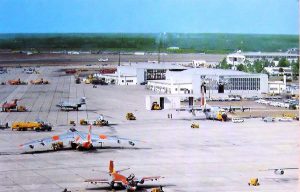
The Valparaiso Bombing and Gunnery Base, activated 14 Jun 1935 under command of Capt Arnold H. Rich, was renamed Eglin Field in 1937 for Lt Col Frederick I. Eglin, U.S. Air Corps. The first missions of Eglin were to provide both bombing and gunnery training for new pilots and testing of Army Air Corps aircraft and other systems. Eglin’s dual role of training and testing continued through World War II, with the establishment of the Air Corps Specialized Flying School and the Air Proving Ground Command. Today, Eglin continues to provide state-of-the-art munitions testing, personnel training and other combat support capabilities for the Air Force, DOD, industry and U.S. allies.

Image: Aircraft parking on apron at Eglin AFB in 1964. | Credit: U.S. Air Force; Wikipedia; Public Domain

NASA Ames Research Center, Moffet Field

NASA Ames Research Center, Moffet Field, Mountain View, California. | Credit: NASA; Wikipedia, Public DomainMountain View, California
Year Selected 2009
Dedication 25 August 2009

The AIAA Historic Aerospace Sites Committee officially designated the NASA Ames Research Center, Moffet Field, California as a Historic Aerospace Site. A historic marker was unveiled during a ceremony at the center on Thursday, 25 August 2009, at 10:00 a.m.

Image: NASA AMES Research Center – Moffet Field

Houston Municipal Airport Terminal

Houston Municiple Airport 1940 WikiHouston, Texas
Year Selected 2009
Dedication 18 April 2009

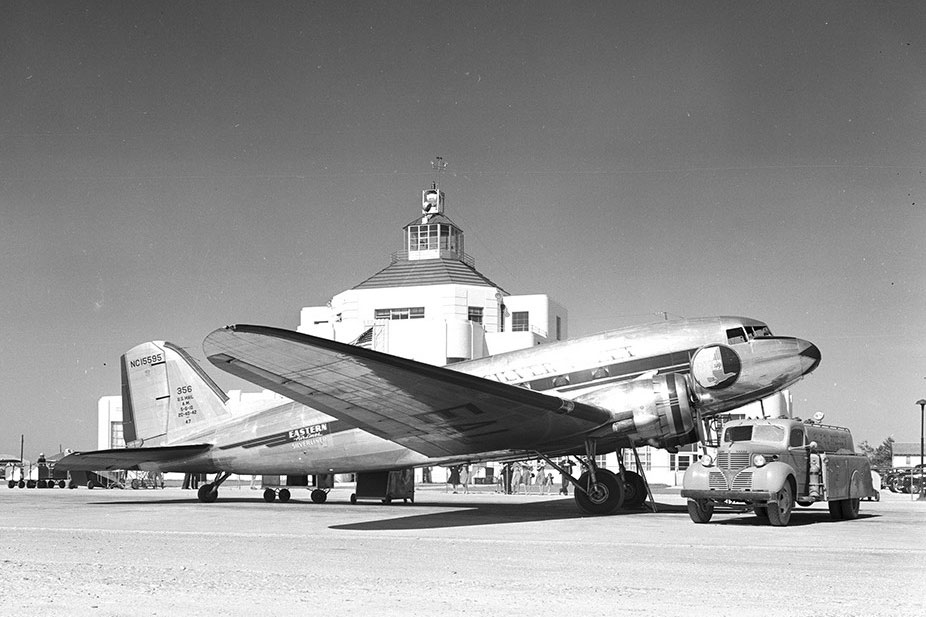
The AIAA Historic Aerospace Sites Committee designated the Houston Municipal Airport Terminal, also known as the 1940 Air Terminal, at the William B. Hobby Airport, Houston, Texas, as a Historic Aerospace Site. A historic marker was unveiled at noon on 18 April 2009, as part of the annual “Hobbyfest” program. Read the press release for complete details. Learn More

Image: Eastern Air Lines DC-3 at Houston Municipal Airport Terminal, April 1941. | Credit: Robert Yarnall Richie; Wikipedia; No restrictions

Vandenberg Air Force Base

Historic Vandenberg Air Force Base WikiSanta Barbara County, California
Year Selected 2009
Dedication 30 March 2009

Vandenberg Air Force Base, California. Ceremony was held at 1:00 p.m. on 30 March 2009 to officially designate Vandenderg Air Force Base, California as a Historic Aerospace Site; reception immediately followed.

Image: Vandenberg AFB, California, 1960

FAA William J. Hughes Technical Center

Faa Tech Center FaaAtlantic City, NJ, USA
Year Selected 2008
Dedication 8 June 2022

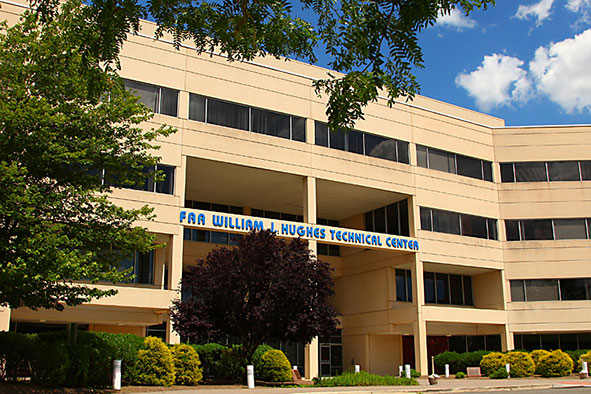
This Federal Laboratory has played a pivotal role in creating our modern air traffic control system. Established as the National Aviation Facilities Experimental Center in 1958, the Technical Center’s research and engineering achievements, and its direct support to airports and FAA air traffic control facilities have led to the highest level of safety in air transportation. For more than 50 years, the Technical Center’s world-class laboratories and top-notch technical expertise have made it the cornerstone for aviation advancements in air traffic management, communications, navigation, airports, aircraft safety, and security.

Image: FAA William J. Hughes Technical Center | Credit: FAA; Public Domain

Dunsfold Aerodrome

Dunsfold Aerodrome WikiDunsfold, United Kingdom
Year Selected 2008
No Dedication Ceremony

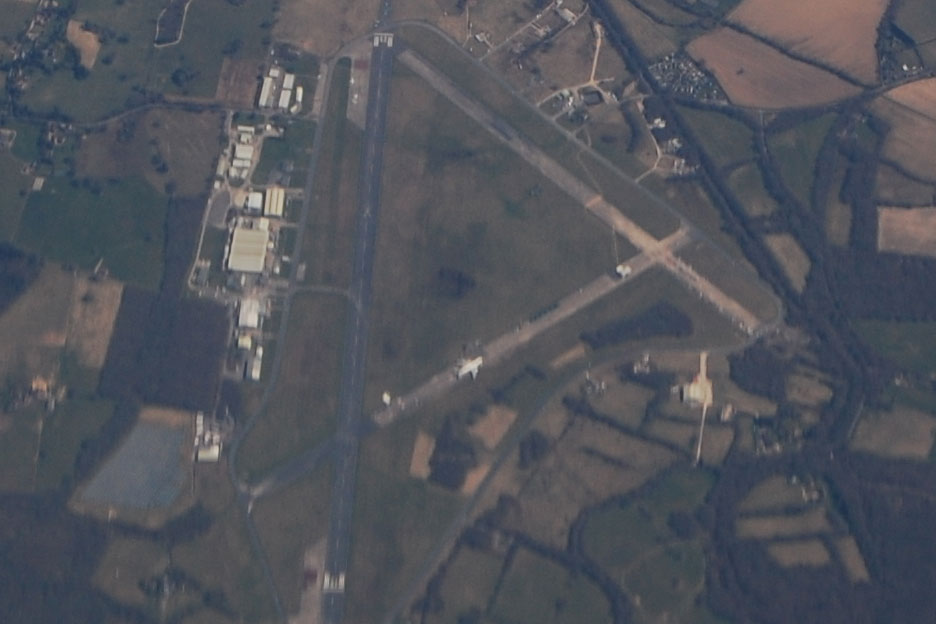
Description coming soon.  Please check back periodically.

Image: Dunsfold Aerodrome, aerial view | Andy Mabbett; Wikipedia; CC BY-SA 3.0

NASA Stennis Space Center

MS, USA
Year Selected 2007
Dedication April 2008

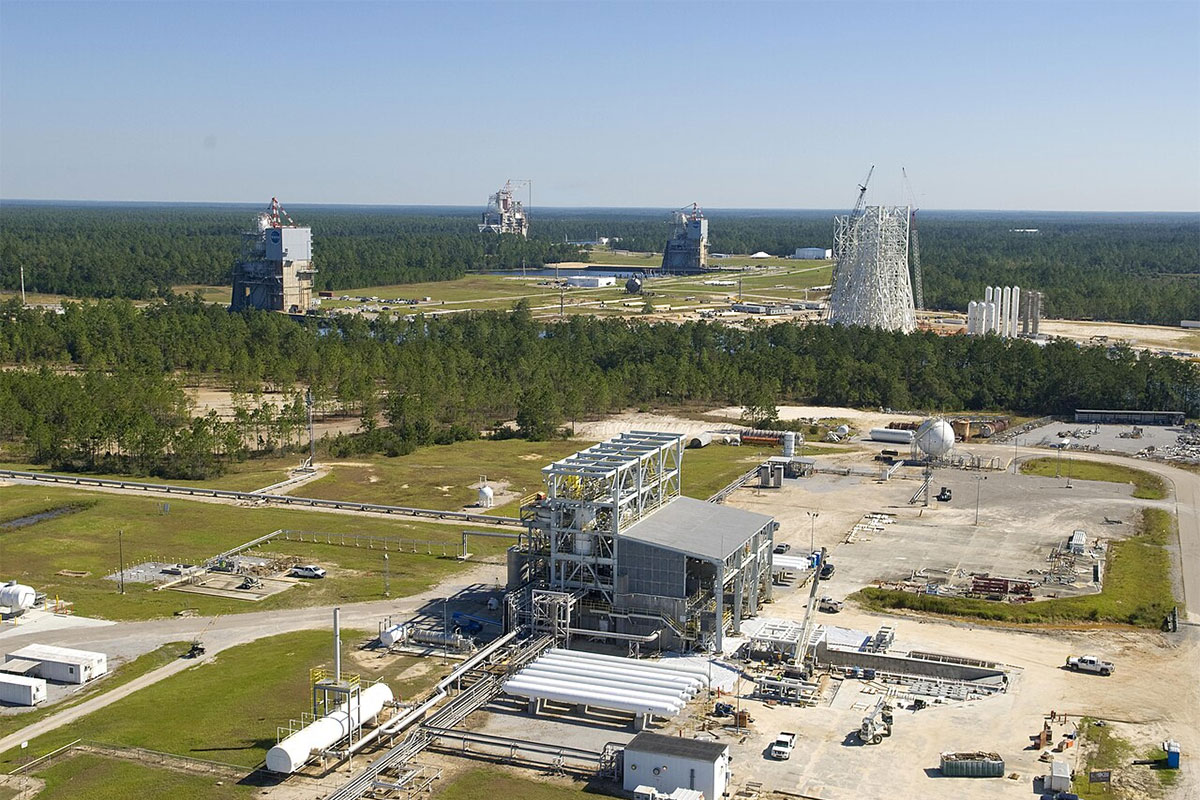
Nasa Stennis Space Center Nasa WikiThis rocket propulsion test complex was created to flight- certify all first and second stages of the Apollo Saturn V rocket. The first test-firing occurred on April 23, 1966. Subsequent to the Apollo Program, these test stands were modified to support the testing requirements of the Space Shuttle Main Engine. Every astronaut who traveled to the moon aboard Saturn V Rockets and into space aboard the Space Shuttle, did so on rocket stages and engines that were first proven flight-worthy on these test stands.

Image: An aerial photo shows all three NASA Stennis Space Center (SSC) test complexes. | Credit: NASA; Wikipedia; Public Domain

GE Re-entry Systems

Philadelphia, PA, USA
Year Selected 2007
Dedication October 2007

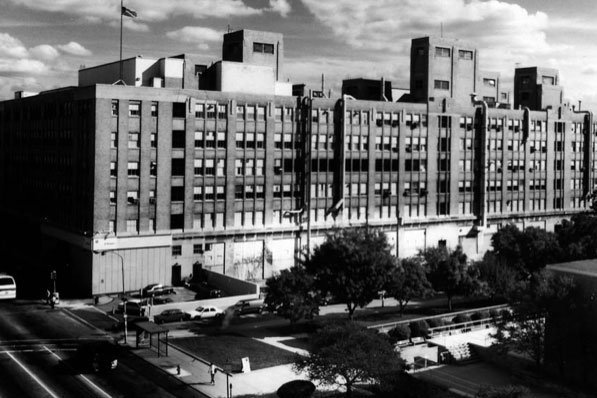
Ge Re Entry Systems Bldg HistoricFrom 1956 to 1993, employees of General Electric’s Re-Entry Systems at this site solved great challenges of national security, defense and manned space exploration; including technologies used for the successful re-entry of Earth’s atmosphere; the development of the first operational heat sink and ablative reentry vehicles; the first successful recovery of a man-made object from orbit from an intercontinental ballistic missile flight; the development of the first ablative planetary entry probes to Venus and Jupiter; and the creation of the first operational multiple independently targeted re-entry system.

Image: The GE Re-entry Systems Building, Philadelphia, Pennsylvania. Credit: AIAA

Cincinnati Observatory

Philadelphia, PA, USA
Year Selected 2007
Dedication July 2007

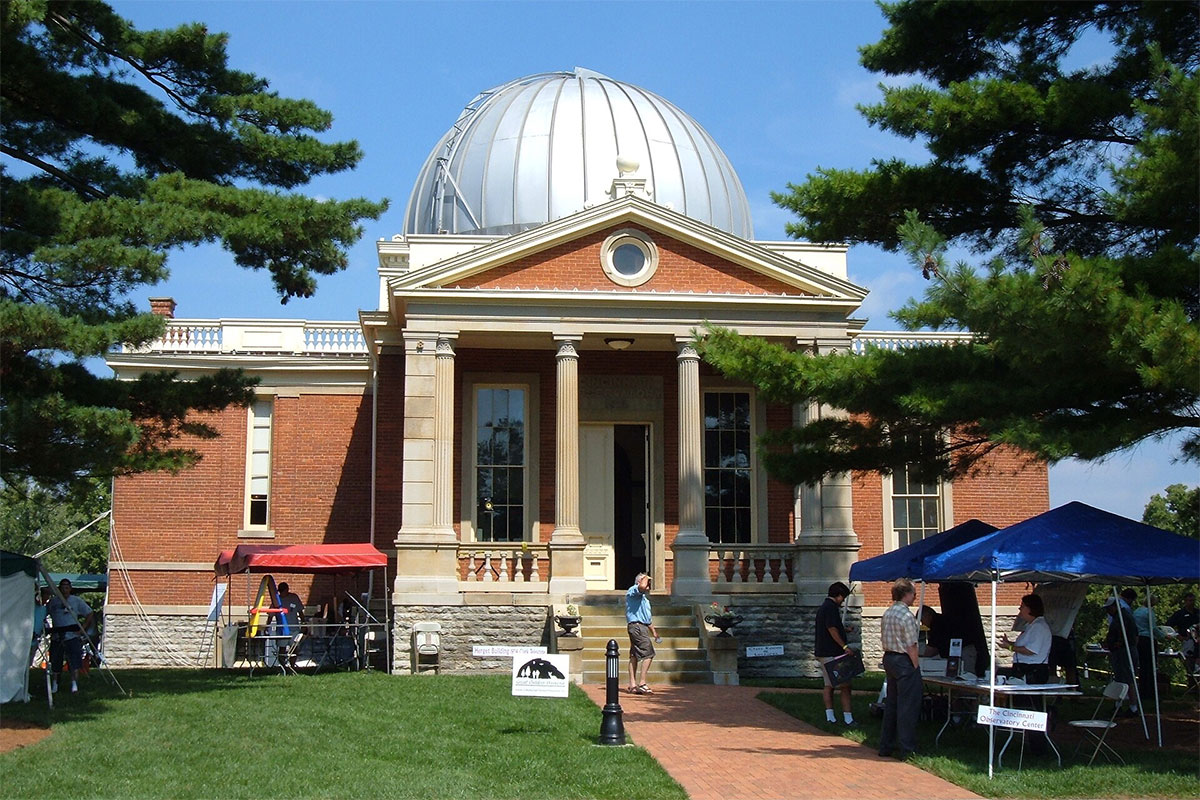
Cincinnati Observator WikiThe Cincinnati Observatory, “The Birthplace of American Astronomy,” is the oldest professional observatory in the United States. Ormsby MacKnight Mitchel, the “Father of American Astronomy,” founded the observatory in 1842. John Quincy Adams laid the cornerstone for the observatory on Mt. Ida, later renamed Mt. Adams. The original Merz und Mahler 11-inch refractor telescope was put into service in 1845 and is still in use here today on Mount Lookout. The 1873 Herget Building, which incorporates the original Adams’ cornerstone, was designed by famed architect Samuel Hannaford.

Image: Original building at the Cincinnati Observatory, Cincinnati, Ohio. | Credit: Analogue Kid; Wikipedia; CC BY 2.5

Woomera Test Range

Skylark Sounding Rocket Australia 1961 | WikipediaWoomera, Australia
Year Selected 2007
Dedication 22 May 2007

The Woomera Test Range is a national icon in Australia and is the site where Australia’s involvement in missile and rocket technology and testing began more than 75 years ago. From this site, over 250 British Skylark sounding rockets were launched, some with Australian payloads; a series of indigenous sounding rockets and military systems were developed; Australia’s WRESAT satellite (1967) and the UK’s Prospero satellite (1971) were launched; and innumerable test & evaluation trials for the [Australian] Department of Defence took place. Woomera Test Range, managed and operated by the Royal Australian Air Force (RAAF), continues as a vital strategic asset for the testing of aerospace systems and the conduct of space-related programs including pioneering hypersonic rocket launches.
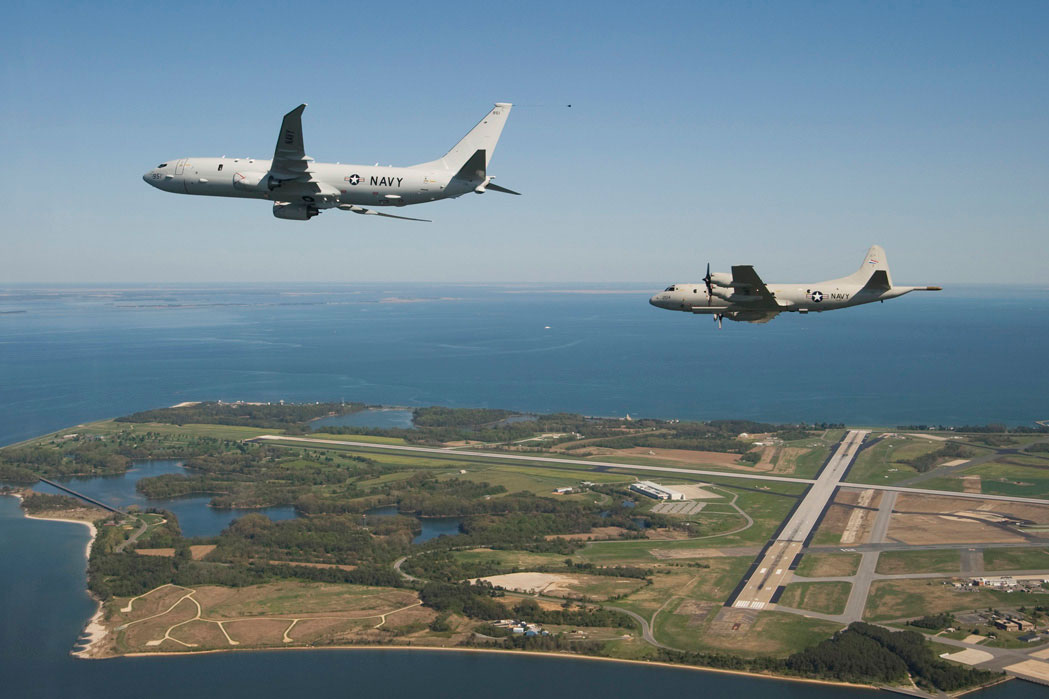
Image: Skylark Sounding Rocket launches from the Woomera Range Complex, 1961

Rentschler Field (Pratt & Whitney)

Rentschler Field WikiEast Hartford, CT, USA
Selected 2006
Dedication July 2008

In 1925, Frederick B. Rentschler, former president of Wright Aeronautical Corp., approached Pratt & Whitney, a large tooling business founded in Hartford before the Civil War, with a proposal for a revolutionary new air-cooled aircraft engine. Under the name Pratt & Whitney Aircraft Co., Rentschler used a production site in Hartford and later in East Hartford to develop and manufacture the Wasp engine, greatly advancing the state of the art for aircraft propulsion. Ultimately, his company went on to become United Aircraft Corp. and later United Technologies Corp. “to connote the breadth of its products, markets and activities.” Throughout most of the 20th century, this airfield witnessed numerous tests and successes in the development of aircraft engines, gas turbines and space propulsion systems.

Image: Aerial image of Rentschler Field, a former airport in Connecticut. It was decommissioned in 1999. Subsequently a football stadium of the same name was built on the site. | Credit: USGS; Wikipedia; Public Domain

Cape Canaveral

Cape Canaveral WikiCape Canaveral, FL, USA
Selected 2006
Dedication January 2008

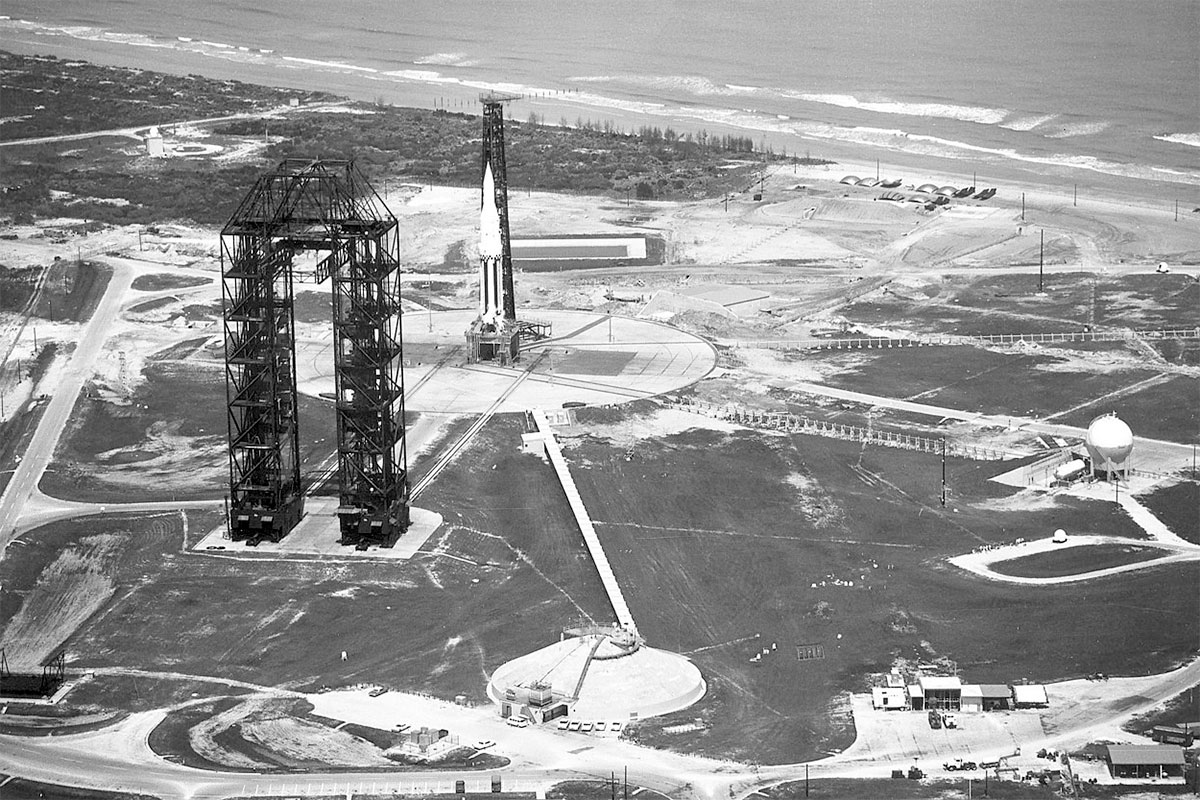
Established by the United States Air Force in 1950 as the Joint Long Range Proving Ground, this area supported the initial development of America’s space program. The era of the Space Age for the U.S. began on this site with the launch of America’s first satellite, Explorer I, in 1958; followed soon after with the launch of America’s first astronaut, Alan Shepard, in 1961. Known today as Cape Canaveral Air Force Station, the base has hosted more than three thousand launches including manned missions, robotic voyages exploring our solar system, and military missions designed to protect the American way of life.

Image: Cape Canaveral Launch Complex 34. | Credit: NASA; Wikipedia; Public Domain

Great Kills Park (ARS site)

Great Kills Park Ny WikiStaten Island, NY, USA
Year Selected 2006
Dedication October 2006

Description coming soon.  Please check back periodically.

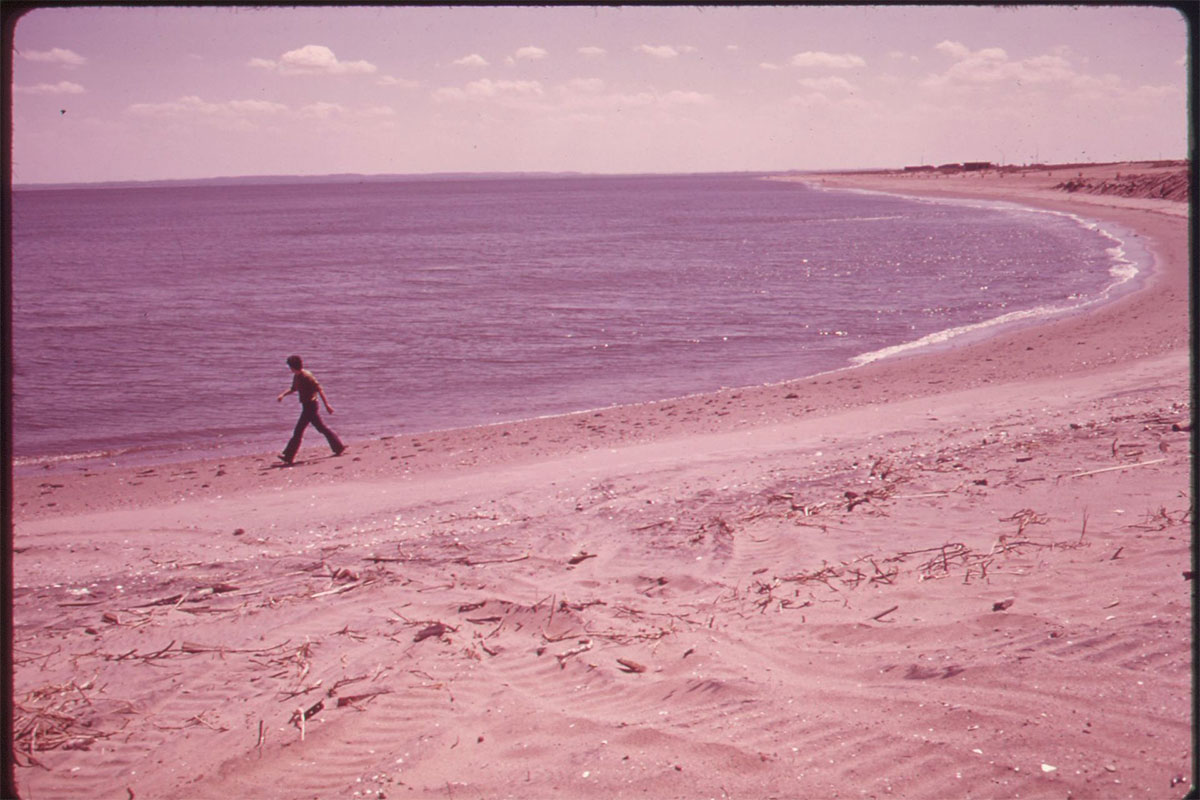
Image: Beach at Great Kills Park, 1973. | Credit: Arthur Tress – U.S. National Archives and Records Administration; Wikipedia; Public Domain

Patuxent River Naval Air Station

Patxent River Nas WikiPatuxent River NAS, MD, USA
Year Selected 2006
Dedication June 2006

This Museum is the vision of a group of Navy and civilian personnel who in 1974 set out to formally organize a museum to preserve and celebrate the history of the Naval Air Test Center at Patuxent River. They received support from the community, the county, and the State; and in 1978 the Naval Air Test & Evaluation Museum opened in a building on grounds provided by the Naval Air Station. The building was originally built as the USO Canteen toward the end of World War II. In 1992, the Secretary of the Navy designated the Museum as one of the ten official Navy museums. In 1997, the Museum’s name was changed to the Patuxent River Naval Air Museum to reflect its new mission of preserving and interpreting the research, development, testing & evaluation of naval aircraft and their related systems. The Museum is the repository for all of the artifacts, photographs & films, documents and other heritage memorabilia from Patuxent River, and other stations, such as Warminster, Pennsylvania, and Trenton, New Jersey, now all consolidated at Patuxent River under the Naval Air Systems Command and the Naval Air Warfare

Image: A U.S. Navy maritime patrol and reconnaissance test aircraft, P-8A Poseidon flies along side a P-3C Orion, prior to landing at NAS Patuxent River, MD, April 10, 2010. | Credit: Arthur Tress – U.S. National Archives and Records Administration; Wikipedia; Public Domain

Naval Air Missile Test Center (Pt. Mugu Naval Base)

Pt Mugu Missile Test Center UsnaraPt. Mugu, CA, USA
Year Selected 2003
Dedication November 2003

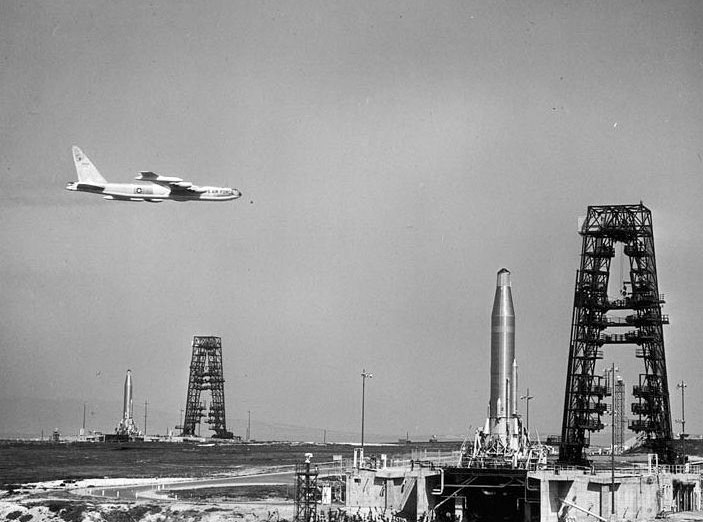
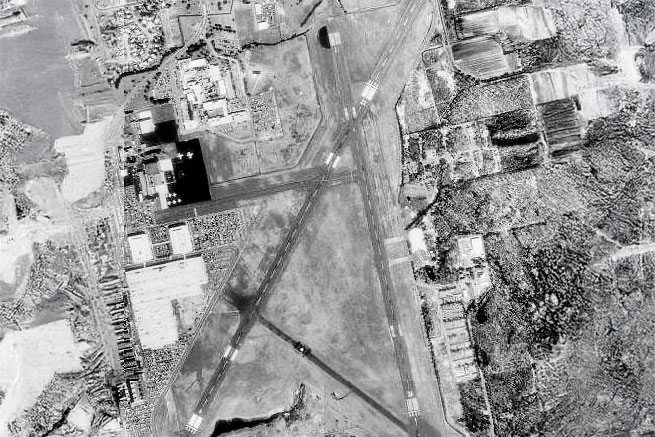
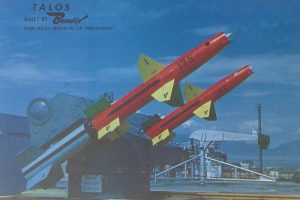
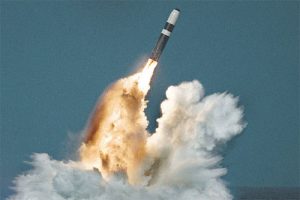
Established in 1946 to provide a comprehensive test and evaluation site for tactical missiles, Point Mugu has been instrumental in the development, test, evaluation and in- service support of systems including Regulus, Sparrow, Phoenix, Bullpup, Harpoon, SLAM, Tomahawk, Standard, and Rolling Airframe Missile. The first missile launch from an operational submarine was also accomplished at Pt. Mugu. Learn More

Image: Launch pad with rocket on board ready for firing, Naval Air Missile Test Center, now known as the Naval Air Warfare Center. | Credit: U.S. National Archives and Records Administration; Wikipedia; Public Domain

College Park Airport

College Park Airport Sign WikiCollege Park, MD, USA
Year Selected 2003
Dedication October 2003

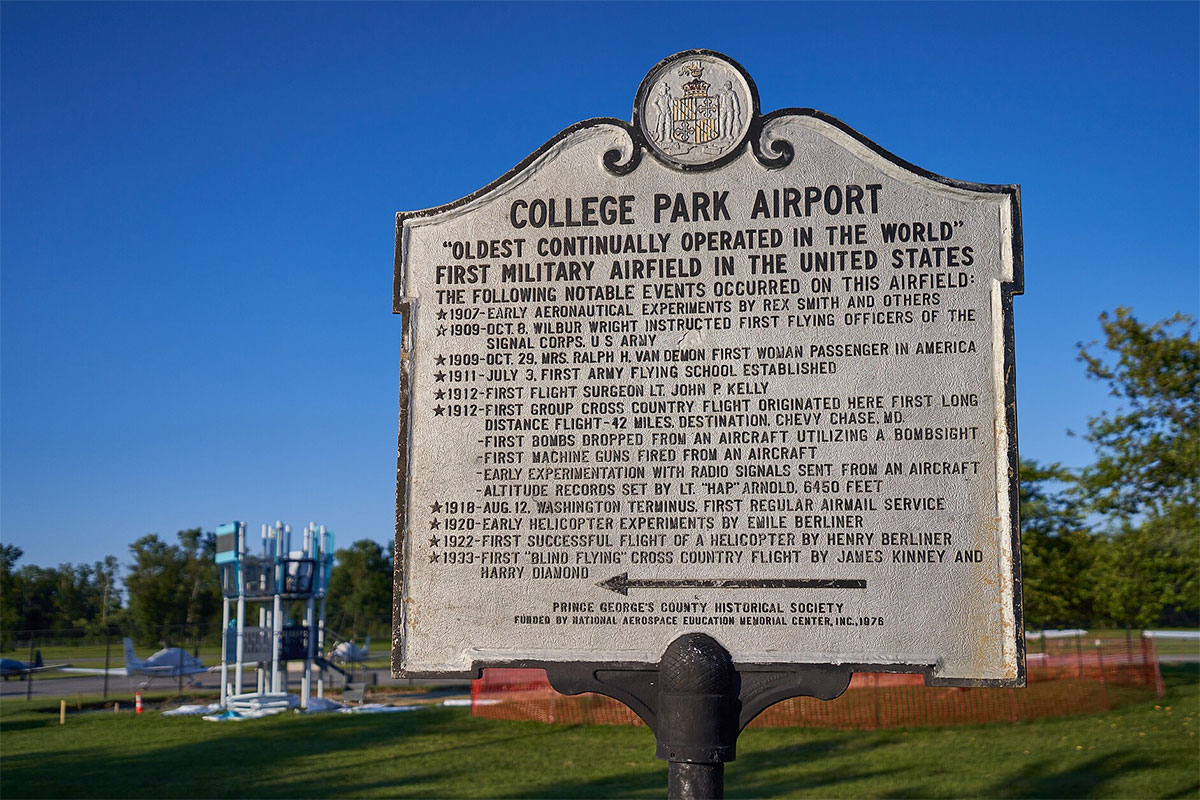
College Park Airport was founded in 1909 when the Wright Brothers came here to train the first military officers to fly. Other significant events at this field include the first testing of a bombsight (1911), the first testing of a machine gun from an airplane (1912), as well as the first controlled helicopter flight (1925). These and other achievements have earned College Park the nickname “The Field of Firsts.” Learn More

Image: Sign showing the historical timeline of the College Park airport. | Credit: Blacktupelo; Wikipedia; CC BY-SA 4.0

The Boeing Red Barn

Boeing Redbarn 1937 Rmt Psra WikiSan Diego, CA, USA
Year Selected 2002
Dedication April 2003

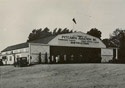
This former shipyard was the first home of The Boeing Company, founded in 1916. Affectionately called “the Red Barn,” this structure, built in 1909, produced the first Boeing aircraft. Starting with the Model C, all early Boeing production took place in this building. Here, the entrepreneurial spirit of William E. Boeing, coupled with engineering innovation, ingenuity, and perseverance, paved the way for the quickly unfolding history of commercial aviation. The Red Barn is believed to be the oldest surviving aircraft manufacturing building in America. Learn More

Image: The Boeing Red Barn taken in 1937. | Credit: RMT – PSRA; Wikipedia; Public Domain

North Island Naval Air Station

North Island Nas 1925 UsnavySan Diego, CA, USA
Year Selected 2002
Dedication March 2003

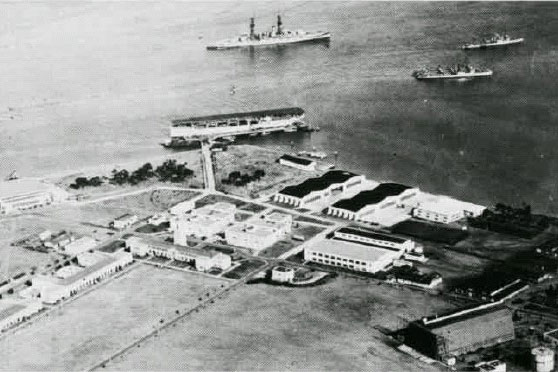
Activated 1 July 1960 with the transfer of facilities and personnel from the US Army Ballistic Missile Agency, the center was named for General George C. Marshall, Army Chief of Staff, Secretary of State, and author of the Marshall Plan. Anchored by Dr. Wernher von Braun and his team of German scientists, joined with hundreds of U.S. engineers and scientists, the Center has been an integral part of the U.S. Space Program from the development of the first Redstone rocket through today. Learn More

Image: The first U.S. Navy aircraft carrier USS Langley (CV-1), a battleship, and two destroyers at the Naval Air Station North Island, San Diego, California, in 1925. Credit: U.S. Navy; Wikipedia; Public Domain

NASA Marshall Space Flight Center

Marshall Flight Center Army To Nasa Transfer 1july1960 WikiHuntsville, AL, USA
Year Selected 2002
Dedication October 30, 2002

Activated 1 July 1960 with the transfer of facilities and personnel from the US Army Ballistic Missile Agency, the center was named for General George C. Marshall, Army Chief of Staff, Secretary of State, and author of the Marshall Plan. Anchored by Dr. Wernher von Braun and his team of German scientists, joined with hundreds of U.S. engineers and scientists, the Center has been an integral part of the U.S. Space Program from the development of the first Redstone rocket through today. Learn More

Image: Ceremony of transfer from the U.S. Army to NASA, July 1, 1960. Credit: U.S. Army; Wikipedia; Public Domain

Oakland Municipal Airport

Atlantic Fokker C 2 Aircraft Hawaii OrgOakland, CA, USA
Year Selected 2002
Dedication September 2002

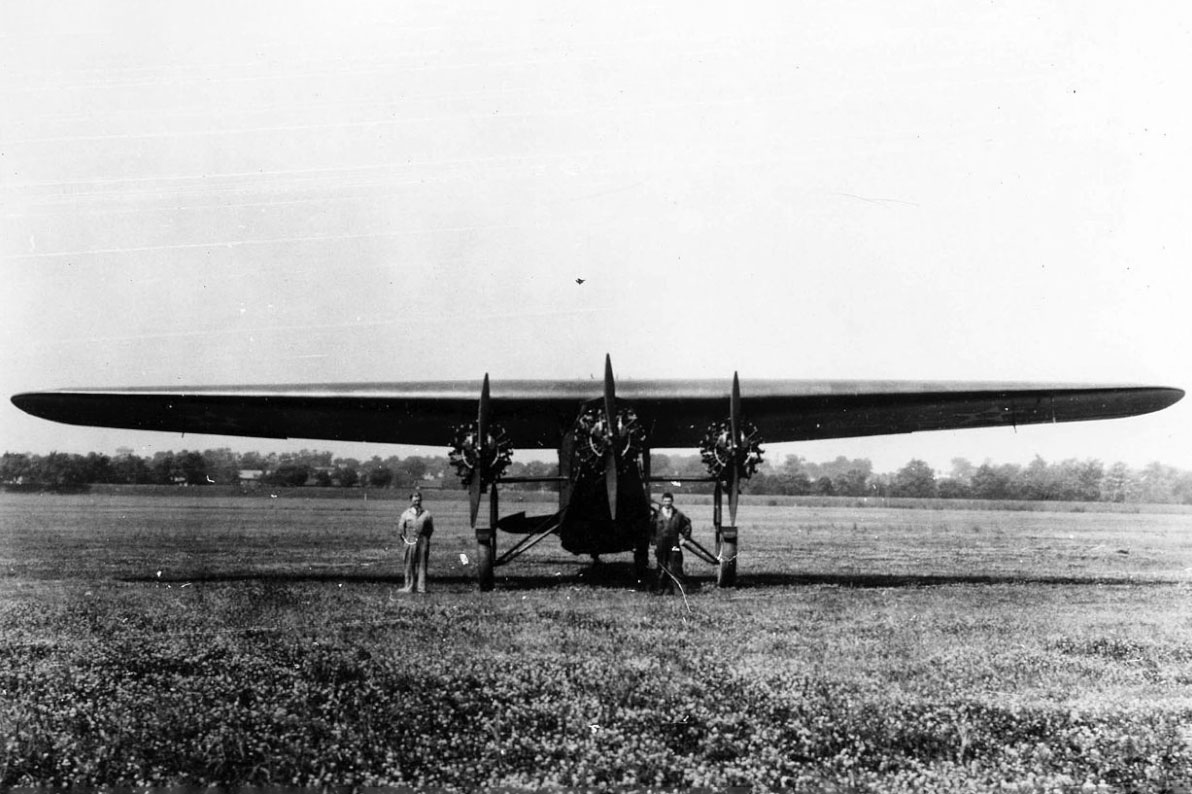
On Tuesday, June 28, 1927, at 7:08 a.m. Lieutenant Lester J. Maitland and Lieutenant Albert F. Hegenberger, Air Corps United States Army, took off from Oakland Municipal Airport on the first successful non-stop trans-Pacific air flight arriving at Wheeler Field, Schofield Barracks, Island of Oahu, Territory of Hawaii, on Wednesday, June 29, at 6:29 a.m., (Honolulu Time) covering a distance of 2416 miles. Learn More

Image: Atlantic-Fokker C-2 “Bird Paradise” Front View; Credit: Hawaii Aviation; Hawaii.gov

Allegany Ballistics Lab

Allegany Ballistics Lab WikiRock Center, WV, USA
Year Selected 2001
Dedication October 2002

Established in 1944 on the site of a former ammunition plant, this facility is one of the key locations that helped establish the U.S. solid rocket industry after World War II. Numerous tactical rocket motors and propulsion devices for the defense weaponry of the nation have been manufactured and tested at “Rocket Center,” including the case double base propellant process and the second stage of the Polaris missile. Learn More

Image: Aerial view of Building 328, which housed the Ballistic Research Laboratory. | Credit: DEVCOM Army Research Laboratory; Wikipedia; Public Domain

NASA Langley Research Center

Nasa Langley Research Center NasaHampton, VA, USA
Year Selected 2001
Dedication April 26, 2002

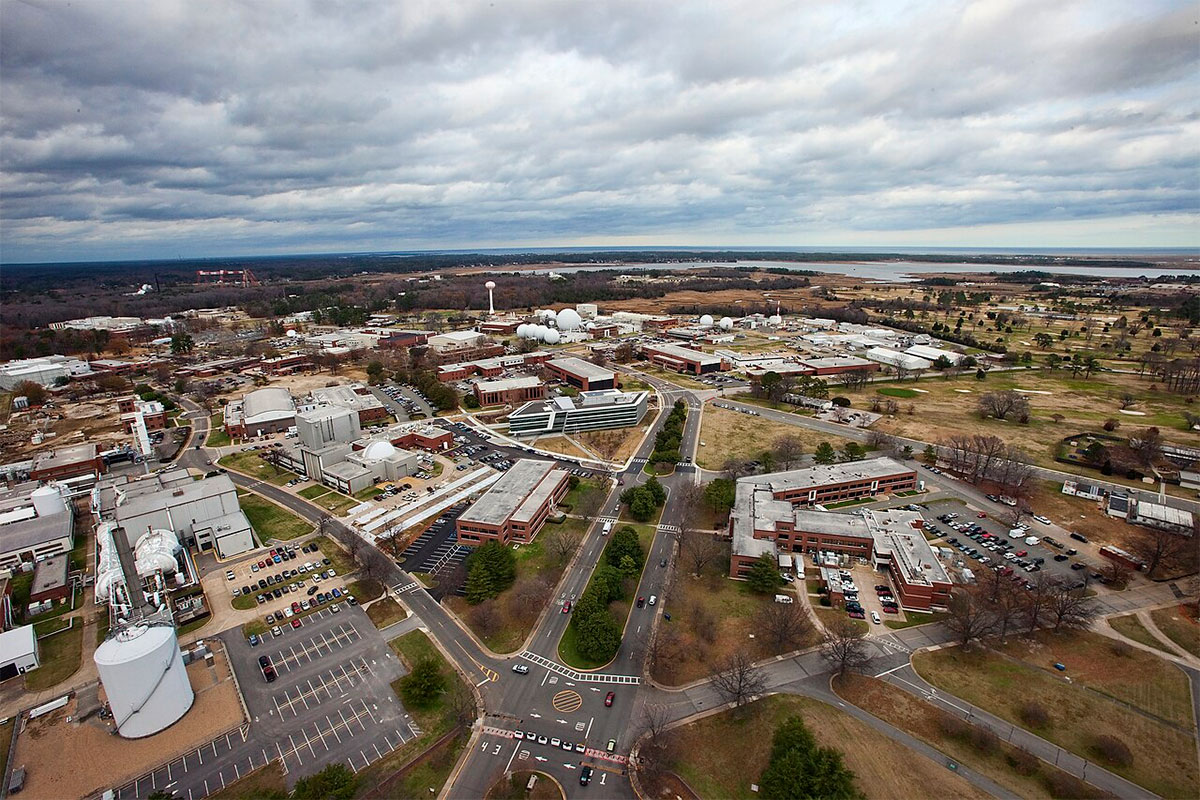
The Langley Memorial Aeronautical Laboratory, now the core of the Langley Research Center, was a unique facility that served as the nexus of aerodynamic research in the U.S. from its beginning in 1917 to its transformation into NASA’s Langley Research Center in 1958. It achieved world renown for its variety of specialized research tools and its staff’s emphasis on practical solutions to the problems of flight. Learn More

Image: An aerial view of NASA’s Langley Research Center in Virginia; Credit: NASA; Wikipedia; Public Domain

First Balloon Launch Site

Montgolfier Balloon Ascent 1784 WikiAnnonay, France
Year Selected 2001
Dedication June 2002

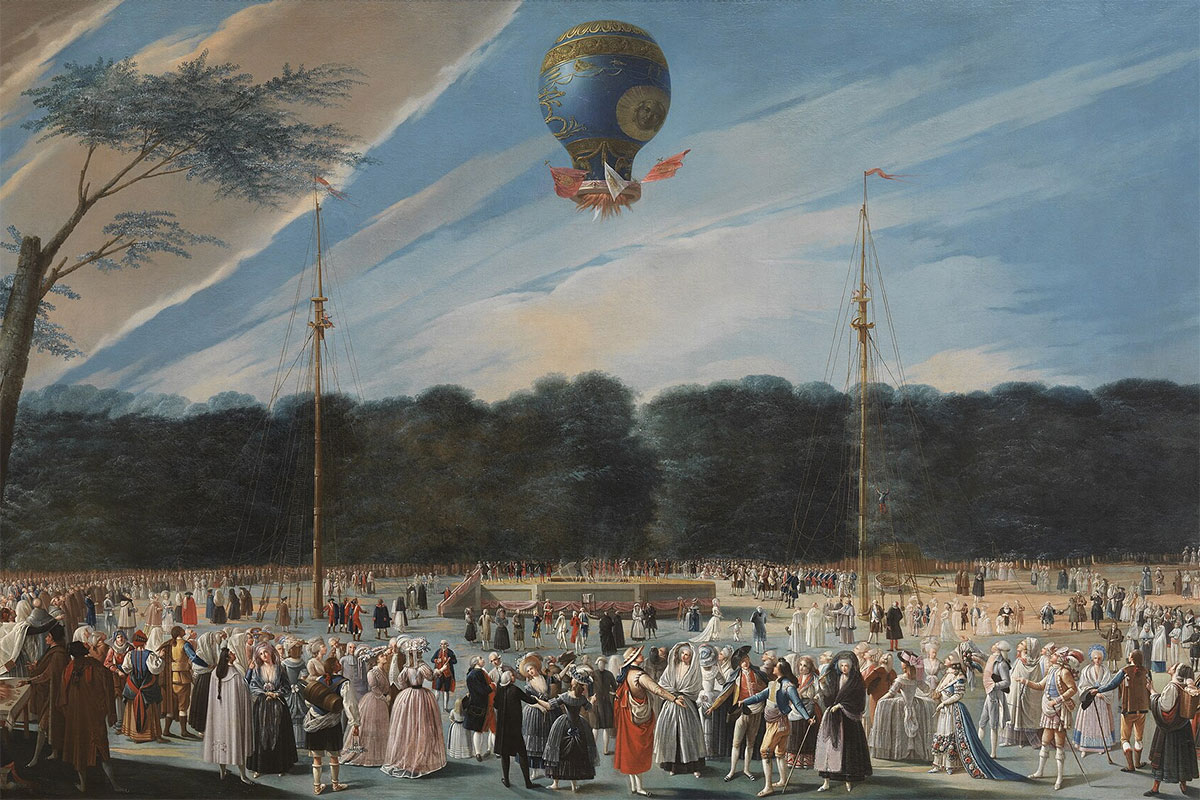
On 4 June 1783, Joseph Michel and Jacques Etienne Montgolfier captured the imagination of the world with their first balloon flight at Cordeliers Square. There were no passengers, but the Regional Council and the whole town population saw the machine go up and stay aloft at 500 meters for ten minutes. The scientific world raced to make use of the Montgolfiers’ discovery, and all accomplishments made since then by aeronauts, aviators, and astronauts can be traced directly to this site. Learn More

Image: Ascent of the Monsieur Charles Bouché’s Montgolfier Balloon in the Gardens of Aranjuez in June 1784; Credit: Antonio Carnicero; Wikipedia; Public Domain

Air Force Flight Test Center

Northrop Yb 49 Flight Test WikiEdwards AFB, CA, USA
Year Selected 2001
Dedication June 2001

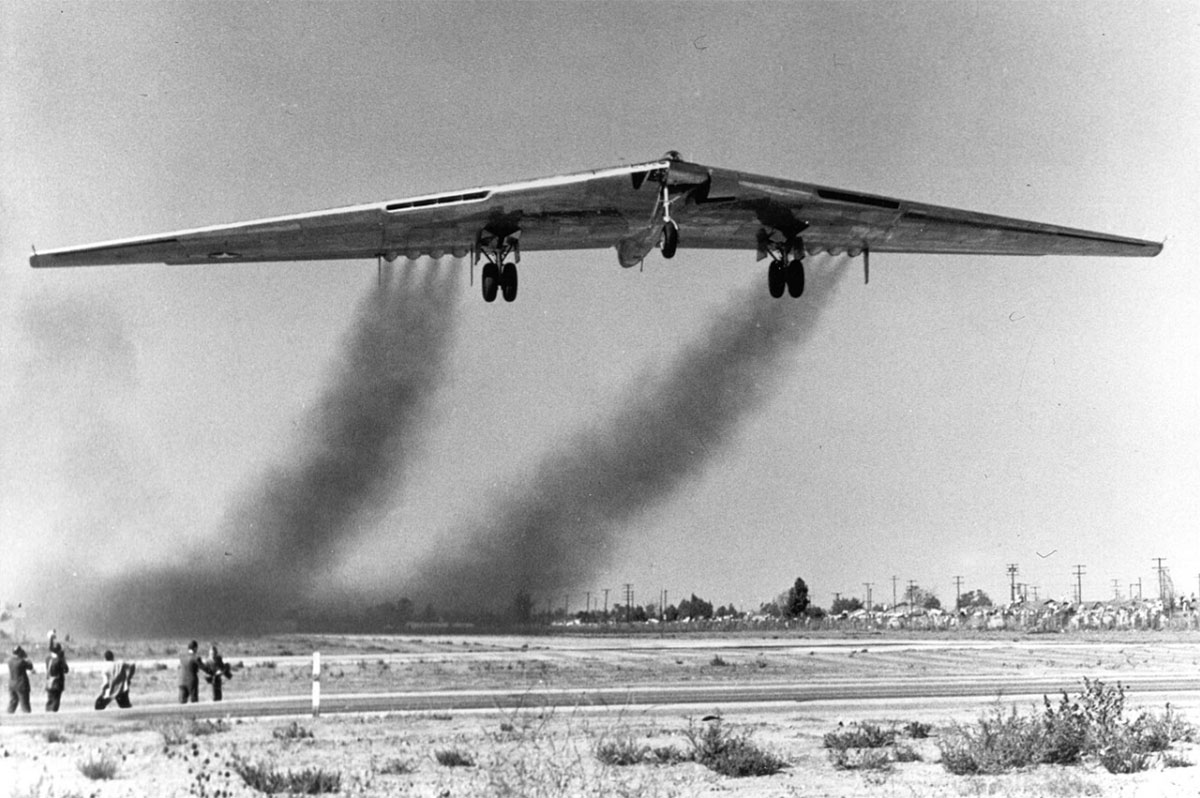
Called a “natural airdrome,” the Rogers Dry Lakebed and surrounding airspace, known as the Air Force Flight Test Center, has been and continues to be the optimum location for “first flights” and validation of high-performance and experimental aerospace vehicles. With the research, development, test, evaluation, and other support of Flight Test Center personnel, more major milestones in flight have occurred here than anywhere else in the world. Learn More

Image: The Northrop YB-49 on a test flight, 1949. | Credit: U.S. Air Force; Wikipedia; Public Domain

Rocketdyne Santa Susana Field Laboratory

Santa Susana Field Lab Aerial View Usdoe WikiEdwards AFB, CA, USA
Year Selected 2001
Dedication June 2001

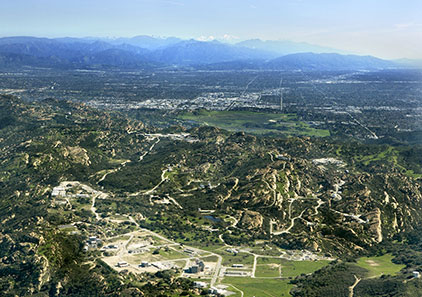
On 15 November 1950, the SSFL conducted its first official test with a Rocketdyne-designed XLR43-NA-1 large liquid propellant rocket engine, which later became the Redstone engine. Encompassing 2558 acres, 18 large static test stands, 5 component test laboratories and an advanced test facility, the SSFL and its dedicated employees have provided significant contributions to U.S. rocketry and space programs for over 50 years. Learn More

Image: Aerial view of the Santa Susana Field Laboratory in the Simi Hills; Credit: U.S Department of Energy; Wikipedia; Public Domain

Huffman Prairie

Huffman Prairie LocDayton, OH, USA
Year Selected 2000
Dedication April 2003

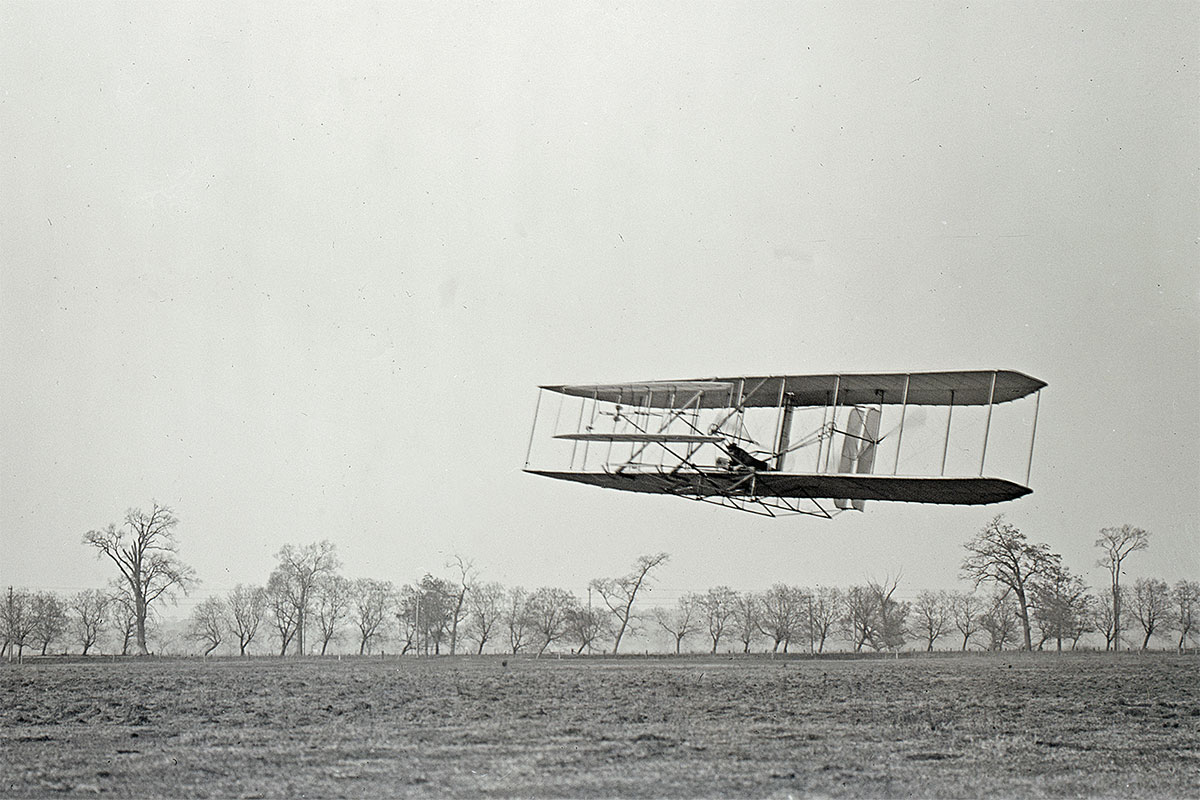
On this 84-acre meadow in 1904 and 1905, the Wright Brothers successfully mastered the mechanics of controlled, powered, heavier-than-air flight. The brothers also built the world’s first airport here, and in 1910 the Wright Company School of Aviation established a flying school on the site and trained many of the world’s first pilots, including some of the first military pilots. Learn More

Image: Orville Wright performs Flight 85 covering a distance of approximately 1,760 feet in 40 1/5 seconds; Huffman Prairie, Dayton, Ohio. | Credit: Wright Brothers – Library of Congress; Wikipedia; Public Domain

Dutch Flats Airport

Ryan Field Historic Sdasm WikiSan Diego, CA, USA
Year Selected 2000
Dedication April 2001

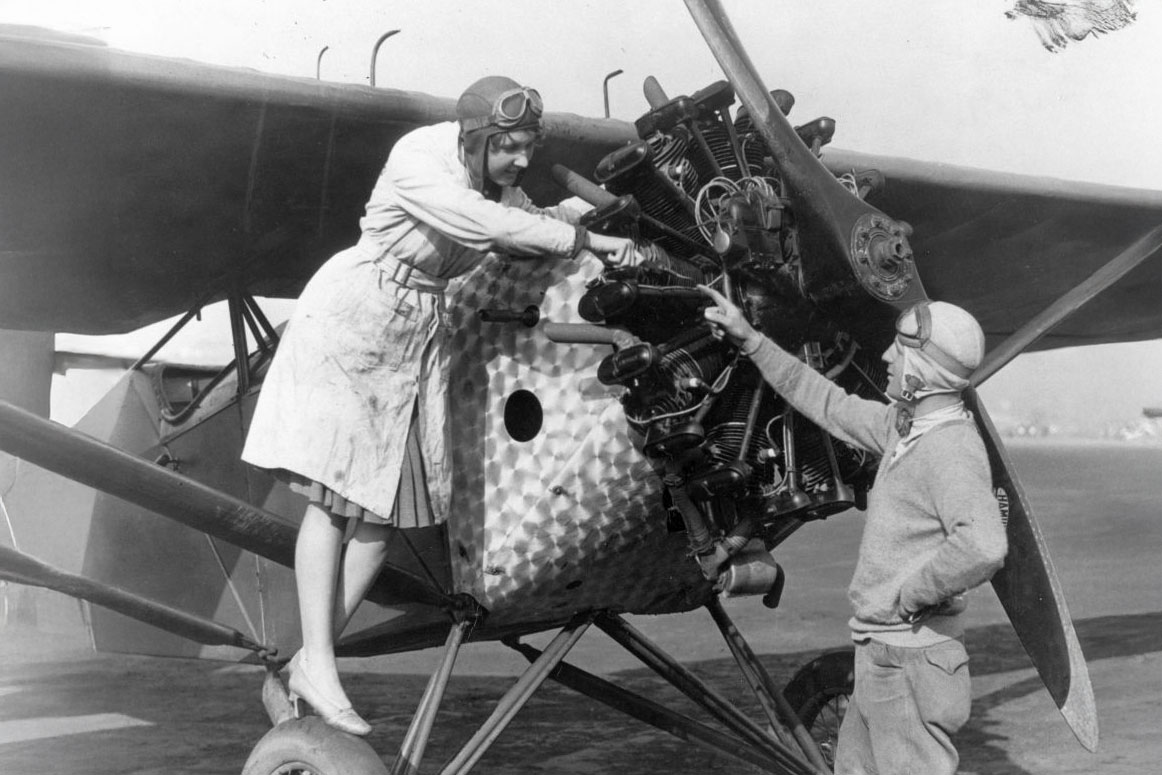
On this site, which was the Dutch Flats Airport, Charles A. Lindbergh made the first flight of his Spirit of St. Louis airplane, constructed in 60 days by dedicated employees of Ryan Airlines, Inc. The 20-minute flight on 28 April 1927 was witnessed by those who built the aircraft. On this site on April 28, 1927, the Spirit of St Louis was flight tested by Charles A. Lindbergh. He later departed this site on May 10, 1927, for St Louis, New York, and Paris, France. Ryan NYP N-X-211 Learn More

Image: Ryan M-1 at Ryan Field (also known as Dutch Flats Airport) with Peaches Wallace and pilot Jerry Jones. | Credit: San Diego Air and Space Museum; Wikipedia; No restrictions

Goddard Rocket Launch Site

Goddard Rocket Site WikiAuburn, MA, USA
Year Selected 2000
Dedication April 2001

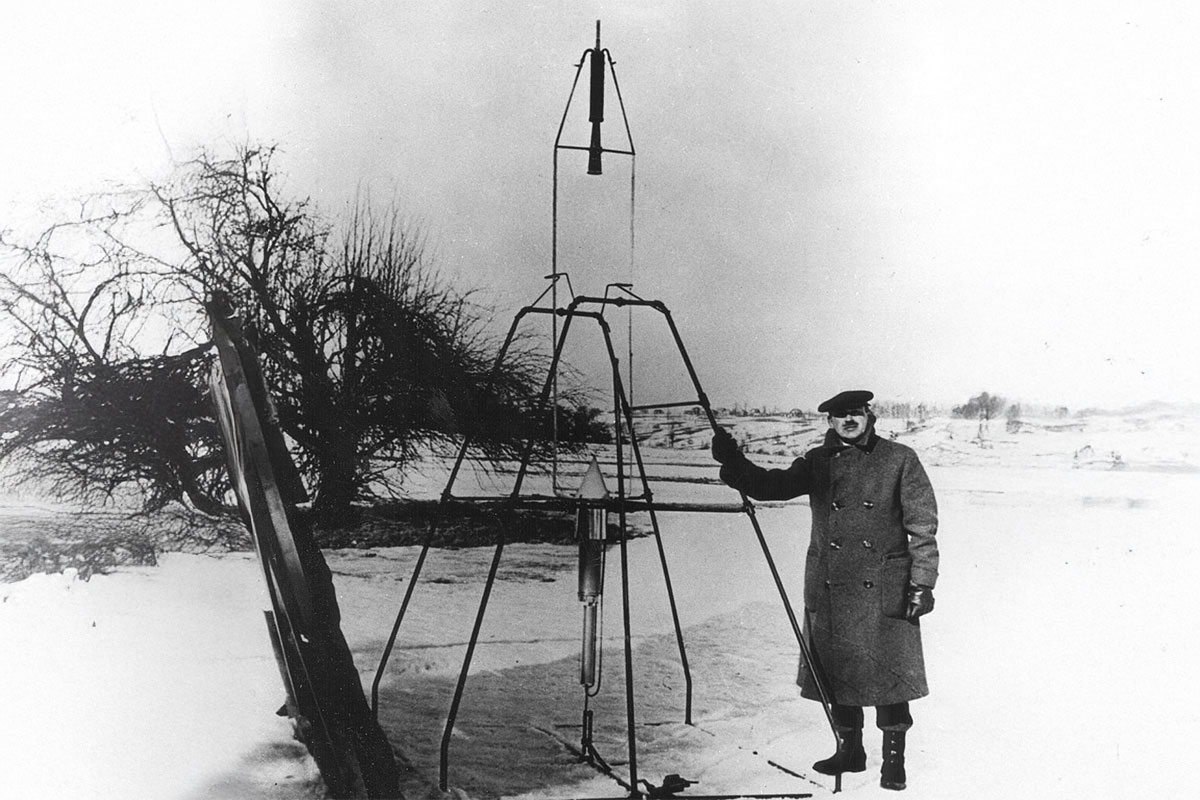
On March 16, 1926 Dr. Robert H. Goddard launched the world’s first liquid propellant rocket from a point 1000 feet S.S.E. of this tablet on the property of the Asa M. Ward Family. Erected by the American Rocket Society July 13, 1960 in recognition of this significant achievement in the evolution of astronautics. Learn More

Dr. Robert H. Goddard and a liquid oxygen-gasoline rocket at Auburn, Massachusetts. Credit: Esther C. Goddard; Wikipedia; Public Domain

Aerojet Engineering Corporation First Plant

Aerojet First Plant Aiaa Plaque 2000Pasadena, CA, USA
Year Selected 2000
Dedication November 2000

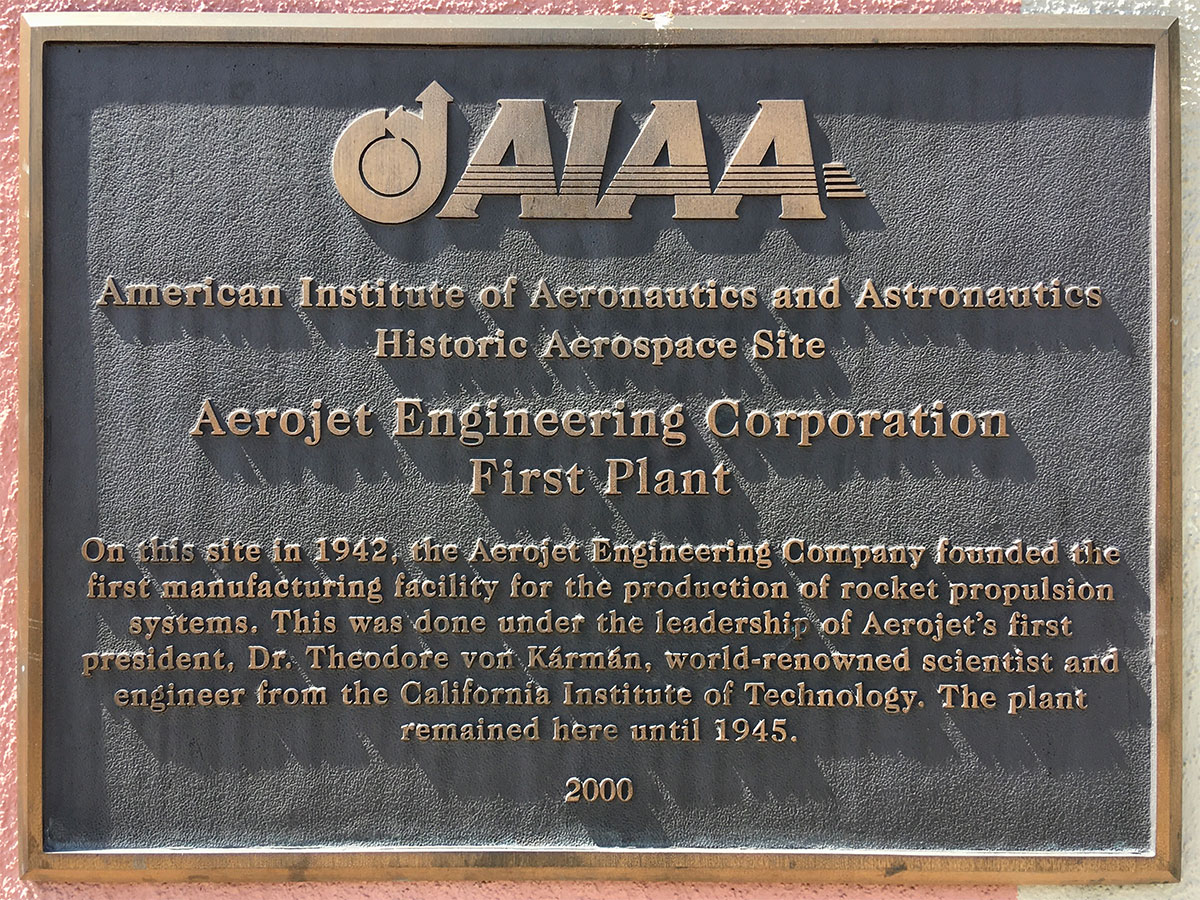
On this site in 1942, the Aerojet Engineering Company founded the first manufacturing facility for the production of rocket propulsion systems. This was done under the leadership of Aerojet’s first president, Dr. Theodore von Kármán, world-renowned scientist and engineer from the California Institute of Technology. The plant remained here until 1945.

Image: Historic site marker dedicated in 2000. | Credit: Craig Baker; HMdb.org 

“The Rocket Site”

Rocket Site Plaque 2000Edwards AFB, CA, USA
Year Selected 2000
Dedication November 2000

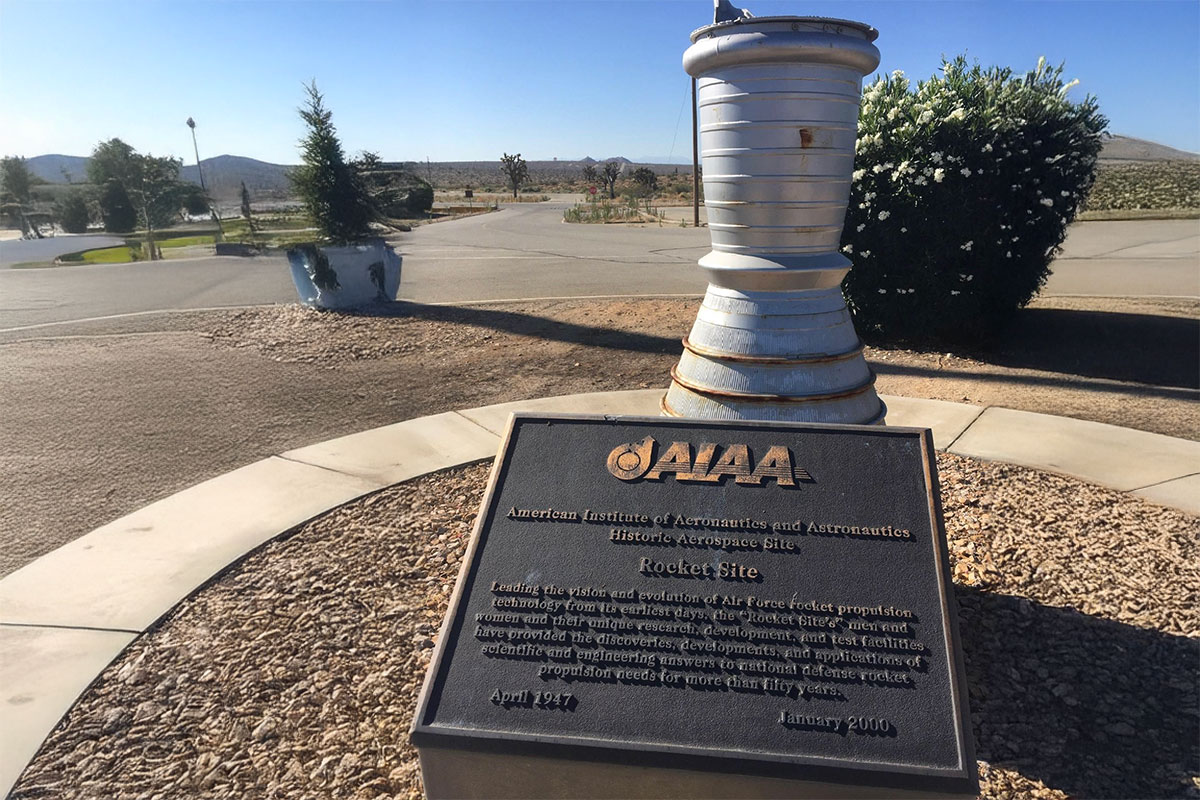
Leading the vision and evolution of Air Force rocket propulsion technology from its earliest days, the Rocket Site’s men and women and their unique research, development, and test facilities have provided the discoveries, developments, and applications of scientific and engineering answers to national defense rocket propulsion needs for more than fifty years. April 1947 – January 2000.

Image: Rocket Site Marker dedicated in 2000. | Credit: HMdb.org